What Happens If You Ignore Hail Damage on Your Roof?
The Risks of Ignoring Hail Damage to Your Roof
Hailstorms can cause more damage to a roof than homeowners may realize. Even if the damage doesn’t look severe from the ground, small impacts have the potential to compromise the integrity of roofing materials, leading to costly issues over time. Ignoring hail damage might not seem like a big deal at first, but it often leads to more serious problems that early repairs could have prevented. In this blog, we’ll explain what hail damage does to a roof, why it is not always immediately visible, and how delaying repairs can lead to more extensive and costly issues over time.
The Damage Isn’t Always Obvious at First
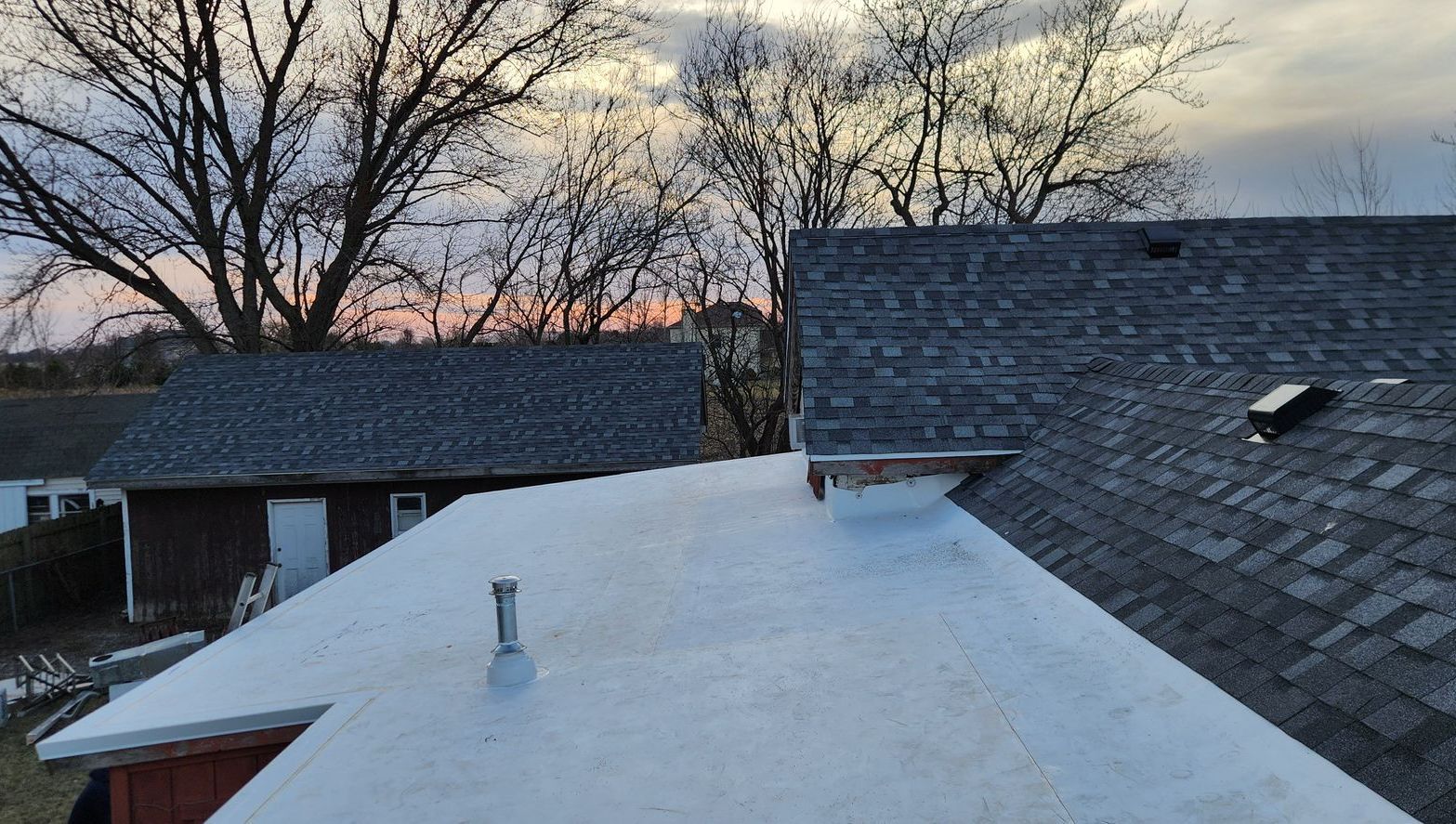
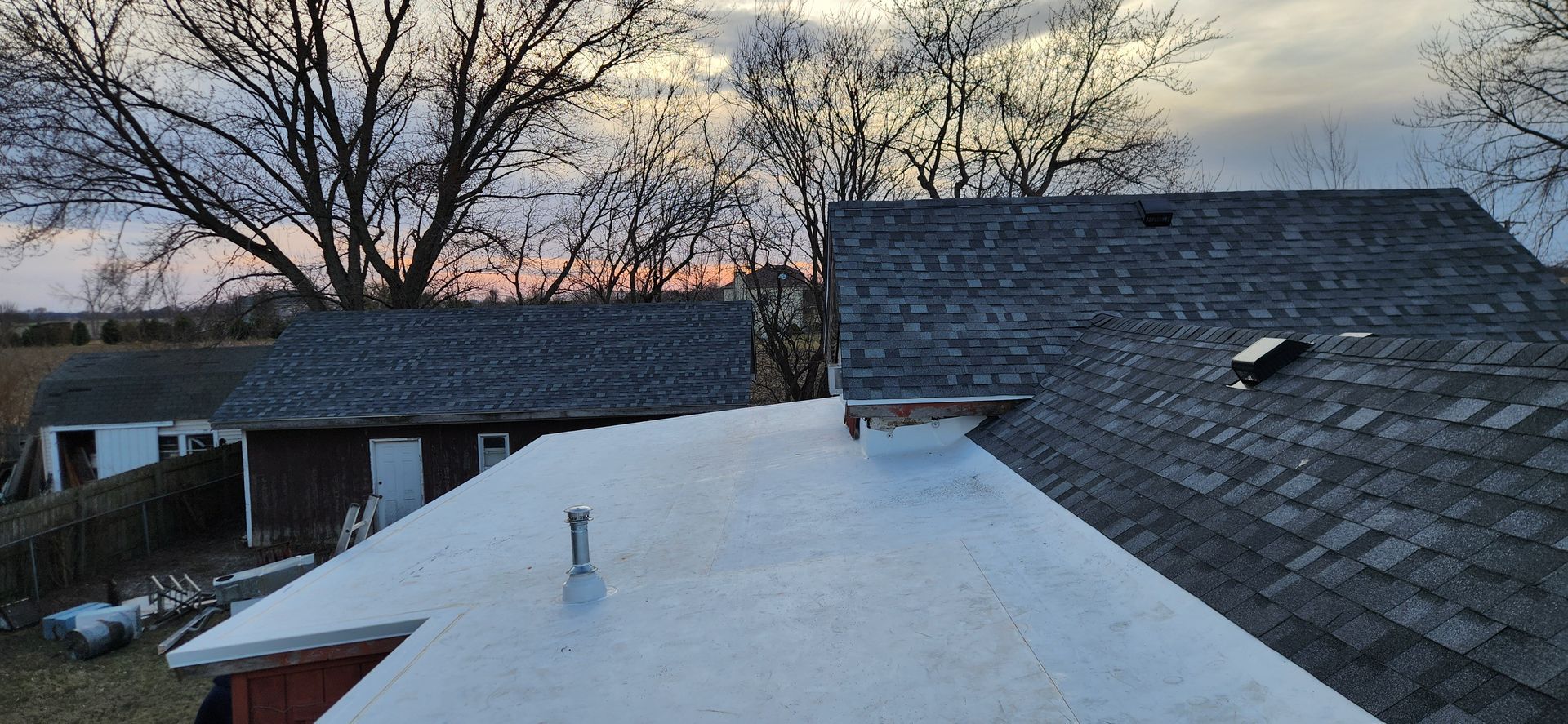
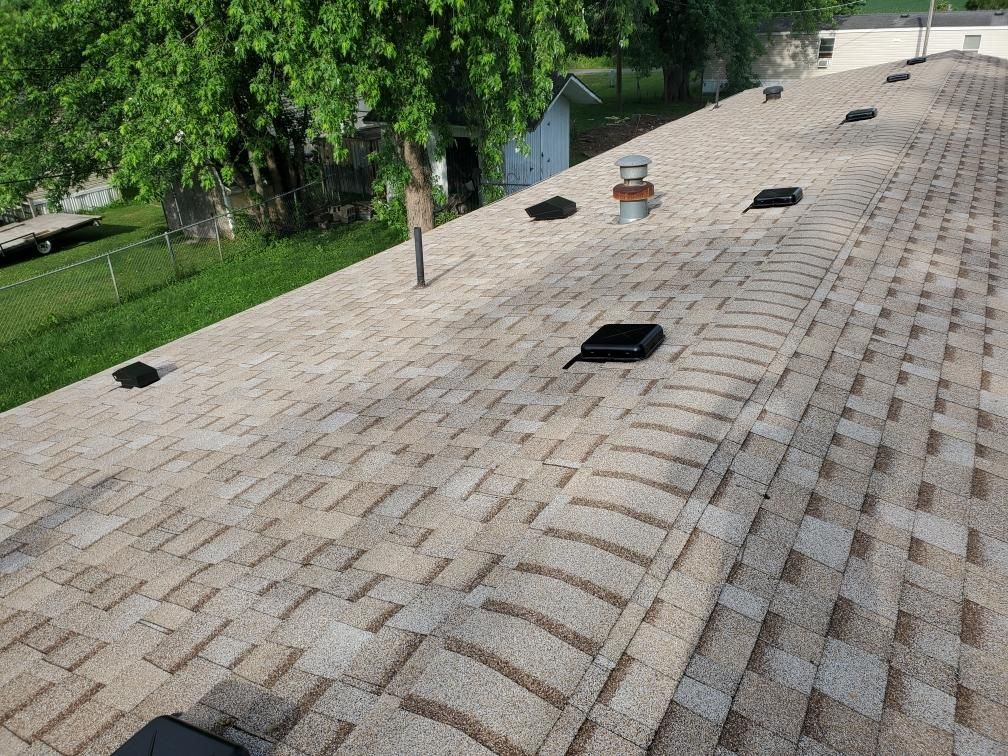
Hail doesn’t usually tear holes in a roof right away. Instead, it often causes subtle damage like bruised shingles, knocked-off protective granules, or tiny cracks that are hard to see from the ground.
At first, your roof might still seem to be doing its job. But those small weak spots don’t stay small forever. With every rainstorm, hot day, and cold night, the damage slowly spreads and worsens over time.
Small Issues Can Turn Into Leaks
A roof is meant to keep water out, but hail can weaken that protection. Once shingles are damaged, moisture can start working its way underneath the surface.
You might not notice anything immediately, but eventually this can lead to:
- Water stains on ceilings or walls
- Damp insulation in the attic
- Mold or mildew growth
- Wood rot in the roof structure
By the time water makes it inside your home, the problem has usually been developing for a while.
The Longer You Wait, The Worse It Gets
One of the biggest mistakes homeowners make is assuming they can “wait and see” after a storm. The reality is that roof damage doesn’t improve on its own—it only spreads.
What could have been a simple repair can turn into a much larger issue if shingles continue to break down or moisture gets deeper into the roof system.
Repairs Usually Cost More Later
It’s almost always cheaper to deal with hail damage early. Fixing a few affected shingles is far more affordable than replacing sections of the roof—or dealing with interior water damage.
Waiting too long often means the damage has already reached the layers beneath the shingles, which increases both repair time and cost.
Insurance Can Get Complicated
Most insurance policies expect homeowners to report storm damage in a reasonable amount of time. If you wait too long, it may become harder to prove the damage was caused by the hailstorm.
In some cases, delayed action can even affect whether a claim is approved, especially if the damage has worsened due to lack of maintenance.
It Can Shorten Your Roof’s Lifespan
Even if your roof looks fine at first glance, hail damage can still be at work in ways you can’t easily see, slowly weakening it and shortening its overall lifespan. Over time, weakened shingles wear out faster, which means more frequent repairs and an earlier replacement than you might have expected.
Final Thoughts
Hail damage isn’t always dramatic or easy to spot, but ignoring it rarely ends well. What starts as small, hidden issues can slowly turn into leaks, structural damage, and expensive repairs.
The safest approach after a hailstorm is always to have the roof inspected so any damage can be identified early and properly managed.
Was Your Roof Damaged by Hail in Kankakee, IL?
If your roof was damaged by a
hailstorm in
Kankakee,
Gilman,
Bourbonnais, or
Bradley, IL, contact our team at M&B Roofing. We’re a family-owned and operated company with over 20 years of experience serving homeowners in the Kankakee area. We offer free
roof inspections and same-day emergency repairs, helping you identify damage early and prevent it from turning into more serious and costly issues.
Click here to receive a free estimate today!